
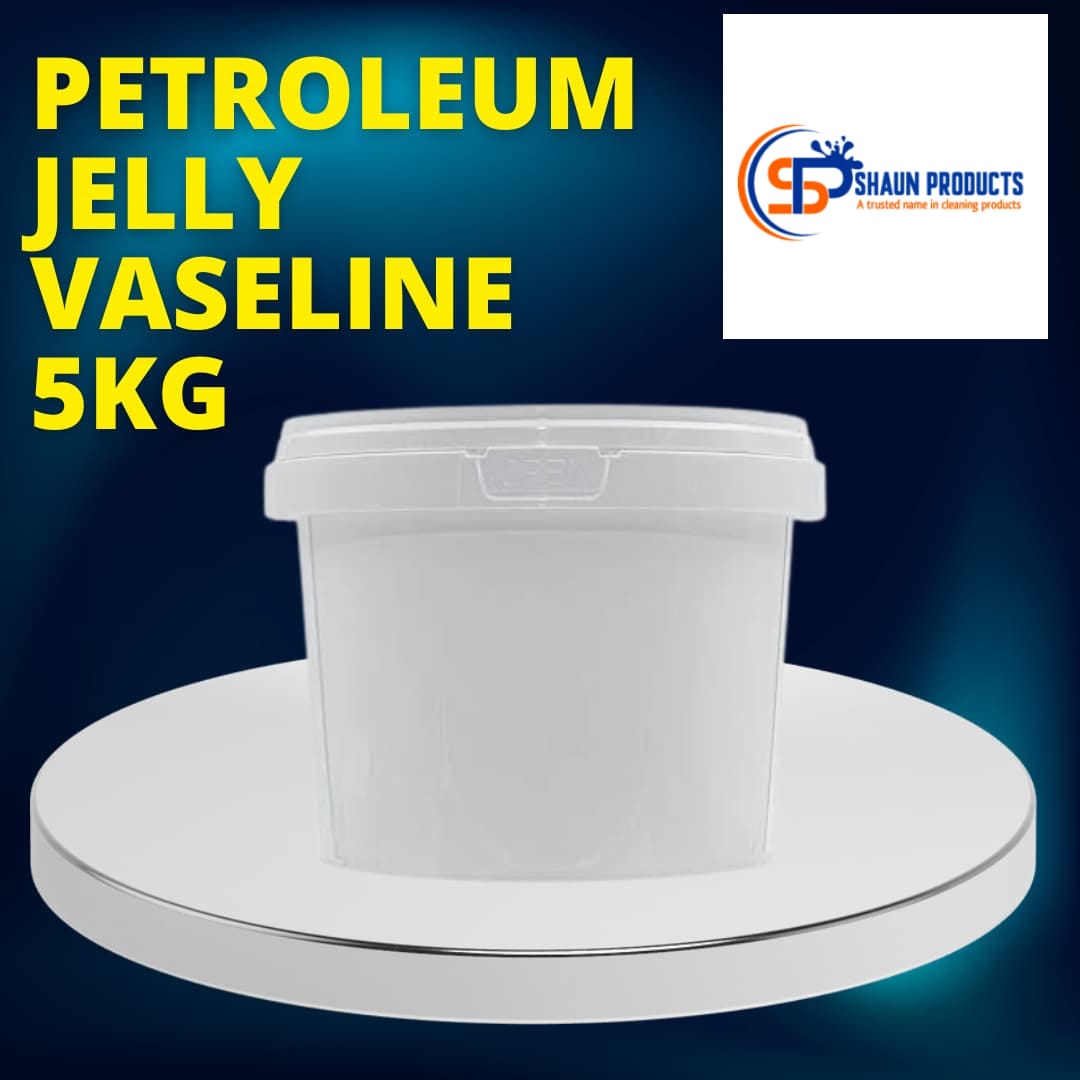


Petroleum Jelly, also known as petrolatum or Vaseline, is a semi-solid mixture of hydrocarbons that is widely used for a variety of applications due to its protective and moisturizing properties. Here are some key points about petroleum jelly:
Common Uses:
- Moisturizer: It is commonly used to hydrate and lock in moisture on the skin, making it effective for dry skin treatment.
- Protective Barrier: Petroleum Jelly can be applied to minor cuts, scrapes, and burns to protect wounds from dirt and bacteria.
- Chapped Lips: Many people use it as a lip balm to soothe and protect chapped or cracked lips.
- Preventing Diaper Rash: It is often used on infants to prevent diaper rash by creating a barrier against moisture.
- Cosmetic Uses: It can be used to add shine to skin or lips, and it is sometimes used as a base for homemade beauty products.
- Prevent Friction: Athletes often use it to reduce friction in areas prone to chafing.
- Sealing and Lubricating: It can be used to lubricate squeaky hinges and seal small gaps.
Composition:
- Petroleum Jelly is composed of a mix of mineral oils and waxes, which contribute to its semi-solid and smooth texture.
Safety and Concerns:
- Generally, petroleum jelly is considered safe for external use. However, it should be kept away from open wounds or deep cuts to avoid trapping bacteria.
- Some people prefer using more natural alternatives due to concerns about using petroleum-derived products.
Storage:
- It should be stored in a cool, dry place. Make sure to keep it tightly closed to prevent contamination.
Conclusion:
Petroleum Jelly is a versatile and widely used product with applications ranging from skin care to household uses. It’s an effective and inexpensive option for hydration and protection, making it a staple in many people’s homes.



Reviews
There are no reviews yet